Current Projects
In the context of global climate and pandemic crises, urban digitalization and big data projects have become global ‘best practice’ approaches toward achieving global sustainability goals. In cities around the world, decision-makers have pushed for digital urban interventions in response to the Covid-19 pandemic with goals ranging from halting disease spread (i.e., through various surveillance technologies) to empowering women workers through entrepreneurship platforms. Yet, emerging research also highlights the ways in which digital technologies are amplifying existing power asymmetries and enabling new forms of data colonialism, dispossession, and illbeing.
My current research projects investigate various urban sustainability-oriented initiatives to understand the variegated impacts of digital and data infrastructures in urban everyday lives.
Digitalizing waste as an economic and informational resource in India
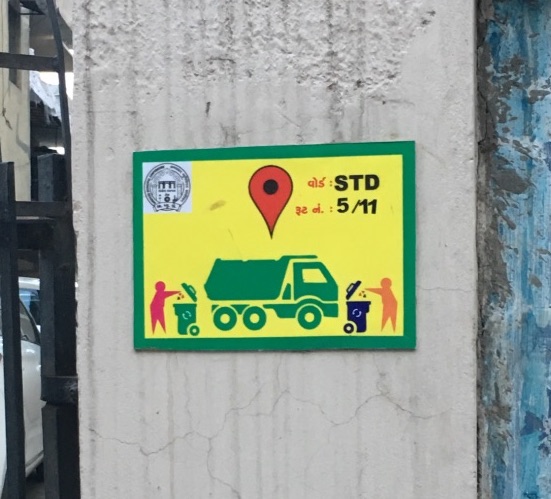
In this project, I am using mixed qualitative methods to explore how the digitalization of waste collection services and the surveillance of workers through GPS sensors and smart watches are eroding workers’ sovereignty and wellbeing in India’s waste management sector. I am currently engaging with workers, community organizations, and local labour activists to understand the ways that digital technologies and power intersect with precarious, gendered, and casted labour regimes (e.g. of informal work and seasonal labour migration), to produce informational, economic, and health exploitations. This work deepens explorations into the socio-technical and political-economic dimensions of urban development and digital/social justice in South Asian cities.
The urban politics of wastewater-based epidemiology
w/ Co-Investigators:
Dr. Rafi Arefin (PI) University of British Columbia
Dr. Carolyn Prouse (Co-I) Queen’s University
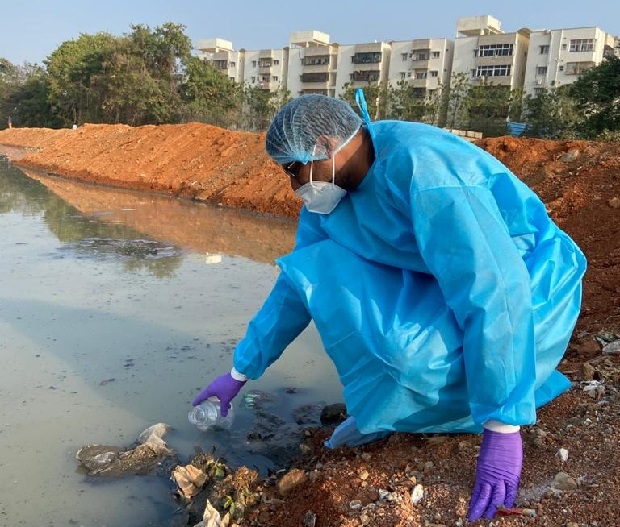
In this Urban Studies Foundation (USF) funded project, we are exploring shifts in the relationship between waste, health, and urban governance in the context of the Covid-19 pandemic. We particularly focus on the emergence of Wastewater-Based Surveillance (WBS) as a popular mode of collecting and analyzing public health data through the pandemic crisis. Yet, we observe that the socioecological and biosurveillance implications of WBE are unknown even as the tools of this field are being rapidly deployed. In this international and comparative project, we ask: how is WBS transforming municipal governance mechanisms and becoming a new site of capital accumulation, and with what effects on whom?
Check out our Biosecurities and Urban Governance research collective website to learn more about our work and events!
…stay tuned for details about more exciting projects coming soon!
 Josie Wittmer